

What Is a Termite Bond, and Do You Need One?
· 3 min read
On this page
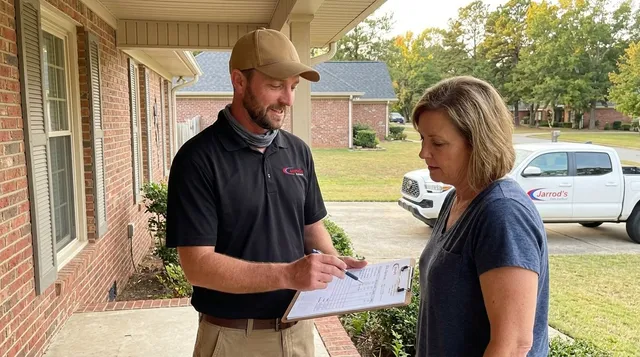
A termite bond is a contract between you and a pest control company. After an inspection and any needed treatment, the company agrees to inspect your home every year and to treat it again if termites come back. Some bonds also pay to repair termite damage.
Think of it as a form of insurance for one specific risk. In the South, where termites are a major problem, that risk is real. This guide explains what a bond covers, what it leaves out, what it costs and when you need one.
What Does a Termite Bond Cover?
Termite bonds are often part of a larger termite plan. A typical plan includes:
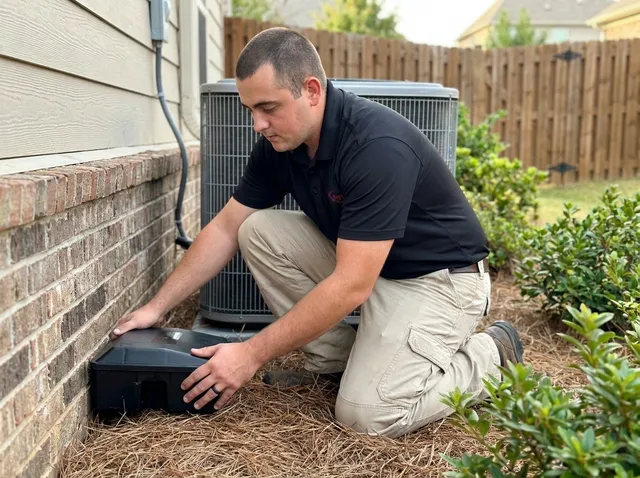
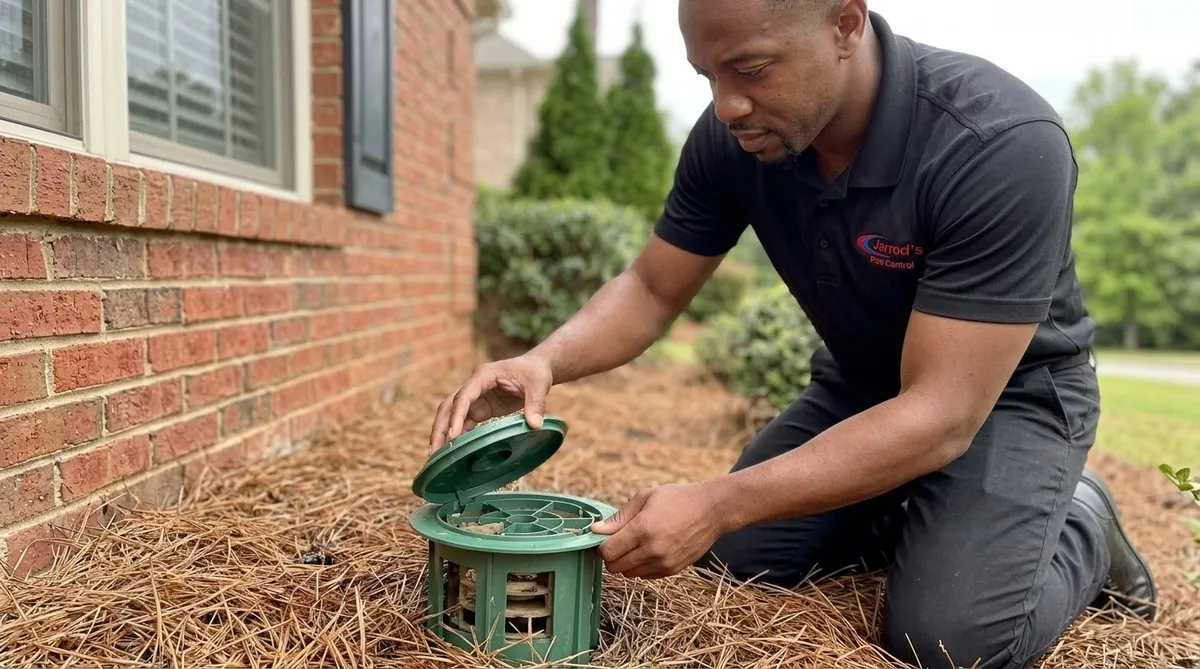
- A chemical barrier or treatment around the home.
- Regular inspections for termite activity and damage, usually once a year.
- Re-treatment if termites come back while the bond is active.
The annual inspection is usually part of the bond’s cost. Many bonds cover the preventive treatment as well.
Bonds come in two main types. A retreat bond pays for treatment if termites return. A repair bond pays for treatment and for repairing the damage termites cause. A repair bond costs more because it covers more.
What Does a Termite Bond Not Cover?
A termite bond covers termites. It does not cover every insect that can damage wood. Carpenter ants and wood-boring beetles are not covered.
A good bond lists the termite species it covers. Formosan termites do much more damage than the common eastern subterranean termite, and some bonds leave them out. Check before you sign.
A bond also does not cover the conditions that drew termites in. If a water leak left wet insulation that attracted a colony, the bond covers killing the termites. It does not cover fixing the leak or removing mold.
Do You Need a Termite Bond in Georgia or Alabama?
Neither Georgia nor Alabama requires a termite bond to sell a home. Lenders often ask for one, and buyers are smart to get a new bond or take over the seller’s bond.
Many loans require a termite letter, also called a wood infestation report, before closing. FHA and VA loans require one. The letter must be dated within 60 days of closing, and new homes are exempt. If the inspection finds termites, the issue has to be treated before closing, or the buyer and seller agree on a price change.
Homeowners insurance does not cover termite damage. Insurers treat it as damage that builds up over years and that regular inspections can prevent. That is the gap a termite bond fills.
How Much Does a Termite Bond Cost?
Like any insurance, the price depends on what it covers and how likely you are to need it. These things raise the price:
- More coverage. A repair bond costs more than a retreat bond. Covering more species costs more.
- Higher risk. Humid areas, waterfront homes and wood-frame houses carry more termite risk.
- A bigger property. Larger homes and properties with several buildings cost more to repair, so they cost more to cover.
Most bonds renew every year. If you cancel and start a new bond later, it is a new contract, and it usually costs more. Keeping your bond active, with every annual inspection done, is the cheaper path.
Can You Transfer a Termite Bond When You Sell?
Many bonds can transfer to a new owner. The seller’s disclosure should say whether the home has a transferable bond.
Moving a bond from one pest control company to another is harder. Most companies require a new inspection first, and some do not take over another company’s contract at all.
Questions to Ask Before You Sign
- Is this a retreat bond or a repair bond?
- Which termite species does it cover, including Formosan termites?
- How often will you inspect, and what happens if an inspection is missed?
- What does renewal cost each year?
- Can the bond transfer to a buyer when I sell?
Keep your own record of every inspection. If too much time passes between inspections, a bond can lose its value, because no one can show when the termites arrived.
Get a Termite Inspection
A termite inspection is the first step toward a bond. Call Jarrod’s at (706) 841-9912 to set up a free inspection. Your technician will check your home, explain what our termite bond covers and give you the price for your home before any work starts.